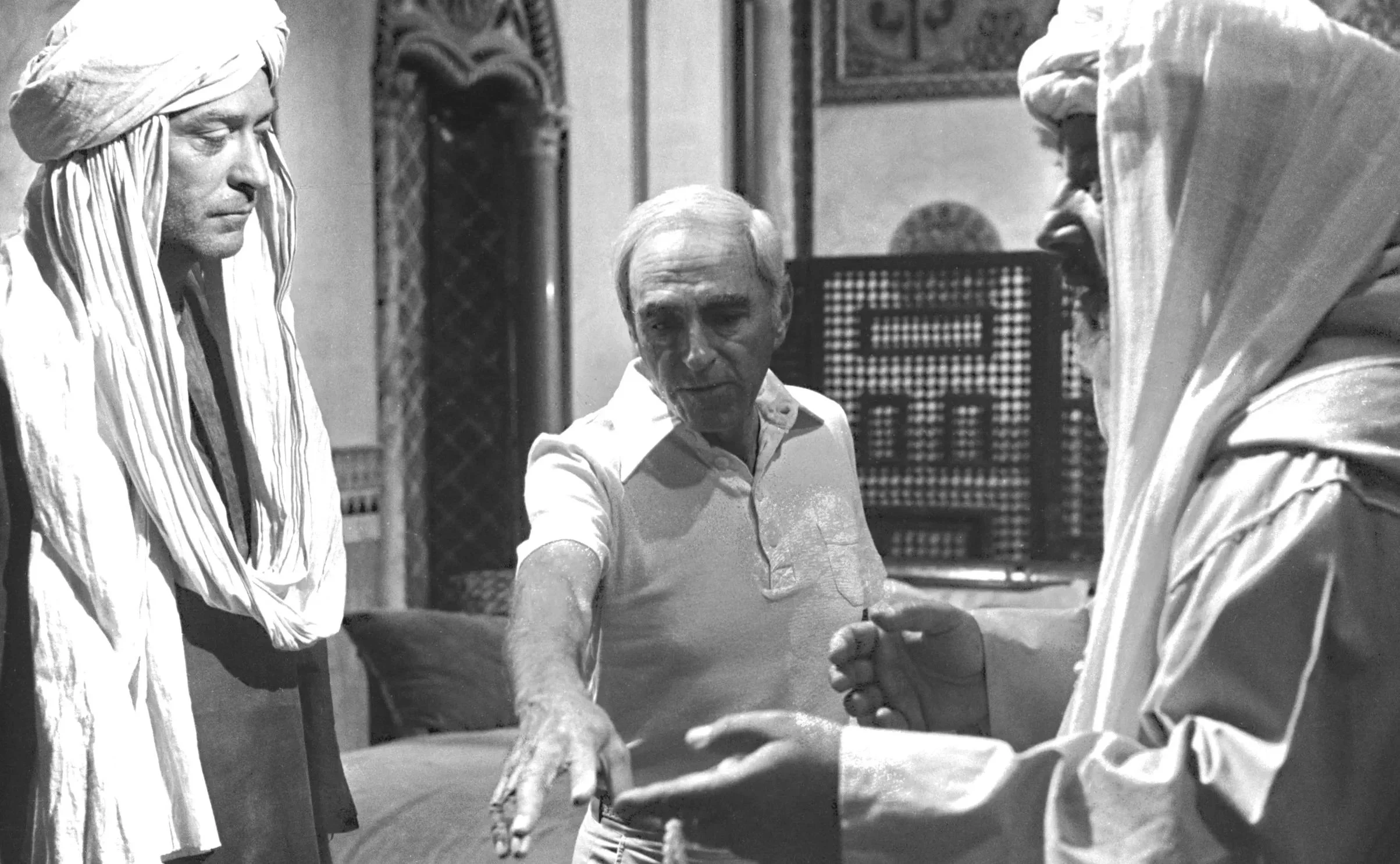
About
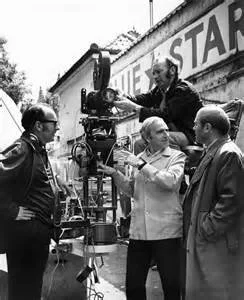
Born in Brooklyn, Richard Fleischer was the son of Essie (née Goldstein) and famed animator and inventor Max Fleischer. After graduating from Brown University, he went to Yale School of Drama, where he met his future wife, Mary Dickson.
His film career began in 1942 at the RKO studio where he directed shorts, documentaries, and a series called Flicker Flashbacks.
He won an Academy Award in 1947 as Producer of Design for Death, a documentary film he directed and co-wrote with Theodor Geisel (later known as Dr. Seuss), examining the cultural forces that led to Japan’s imperial expansion through World War II. 1947 also marked the release of his first feature film, Child of Divorce.
Many of Fleischer’s early films were taut film noir thrillers including Bodyguard (1948), The Clay Pigeon (1949), Follow Me Quietly (1949), Armored Car Robbery (1950), and The Narrow Margin (1952), but also found time for comedy, directing the 1948 film So This Is New York, a cynically sophisticated comedy starring acerbic humorist Henry Morgan based upon a Ring Lardner novel.
In 1954, Walt Disney (his father's former rival as a cartoon producer) tapped him to direct 20,000 Leagues Under the Sea starring Kirk Douglas, James Mason, Paul Lukas, and Peter Lorre, a critical and popular success that remains an American classic.
This lead to a string of large scale features films, often involving enormous casts, unusual practical challenges and complicated, cutting edge special effects like Barabbas (1961), Fantastic Voyage(1966), Doctor Dolittle (1967), and Tora! Tora! Tora!(1970).
A number of Fleischer’s films reflect his interest in social issues including a trilogy of films centered on real-life serial killers and focusing on the theme of capital punishment: Compulsion (1959), The Boston Strangler (1968) and 10 Rillington Place (1971). He also helmed the film Soylent Green (1973), a cautionary tale of overpopulation and pollution. Some of his films we, and still are, regarded as controversial and provocative, such as Che! (1969), a biopic of Che Guevara, and the interracial melodrama of the Deep South in Mandingo (1975).
His long list of directing credits also includes a number of action adventures films, including Violent Saturday (1955), Bandido (1956), The Vikings (1958), and Mr. Majestyk (1974), the psychological horror film See No Evil (1971) with Mia Farrow.
In addition to his many directing accomplishments, Fleischer is the author of two books:
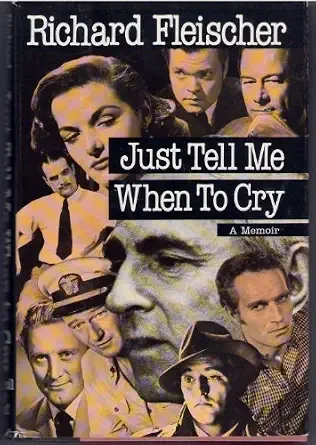
Just Tell Me When To Cry (1993) is Fleischer's autobiography of his film career, detailing his long, illustrious and often humorous encounters with actors and, as he liked to put it, other animals.
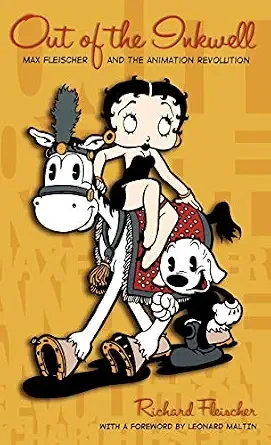
Out of the Inkwell: Max Fleischer and the Animation Revolution (2005), combines personal reflection, and historical documentation, to recount and reflect on his father's life, career and legacy.
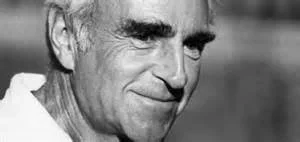
Richard Fleischer
1916-2006
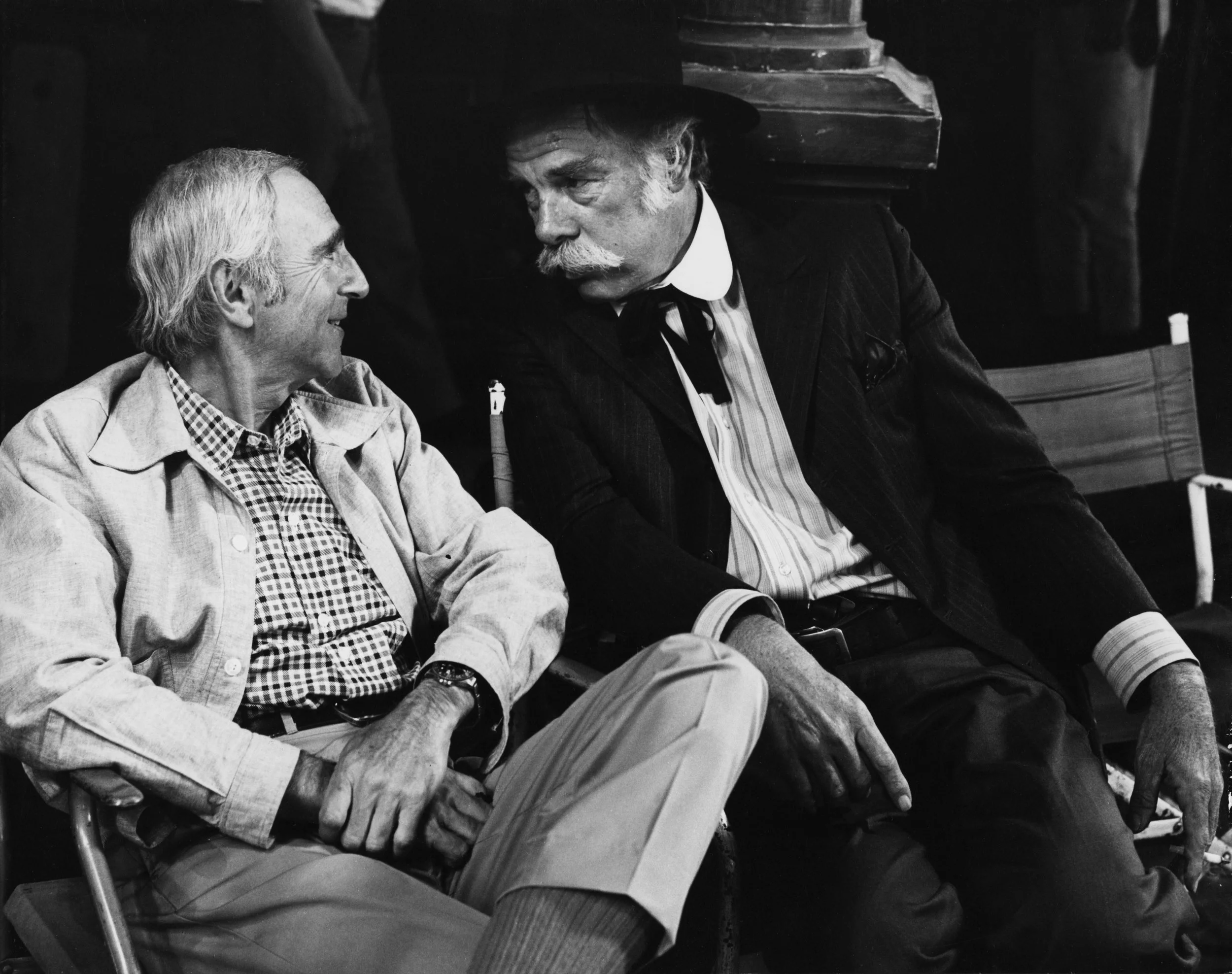
For many years, he also served as chairman of Fleischer Studios, successfully ushering beloved Fleischer Studios characters, including Betty Boop and Koko the Clown into the 21st century.
Over the course of a career that spanned more than four decades, Richard Fleischer directed 47 theatrical releases that embraced every imaginable genre, including a number of distinguished films that have become classics of the American cinema.